
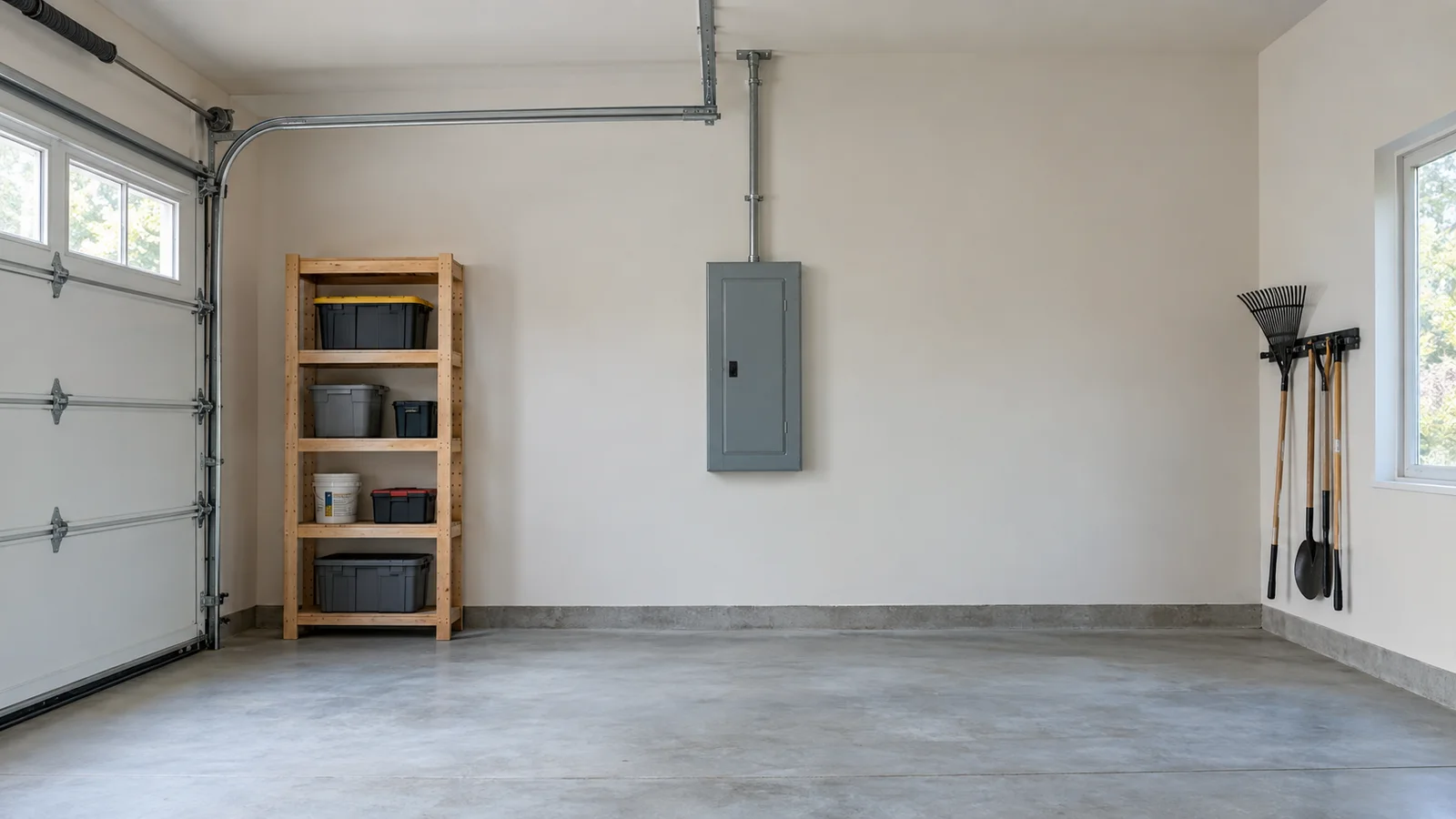
An electrical panel upgrade in Denton should begin with an assessment, not a shopping list for the biggest available panel. Homeowners often start considering this work after a renovation plan, a new appliance, or a recurring electrical problem. Those situations deserve different questions, even when they all lead you to the same equipment on the wall.
C&G Electric’s panel upgrade service includes panel repairs, service upgrades, load calculations, permit acquisition, and inspection coordination. This guide explains how to prepare for that conversation without opening equipment or making your own capacity decision.
Separate condition concerns from capacity planning
Condition concerns involve what needs investigation now: recurring trips, malfunctioning equipment, or signs of damage. Capacity planning concerns involve what you want the home to support in the future. A home may have one concern, both, or neither.
Write these as two lists. On the first, put the symptoms you have already observed. On the second, put proposed additions such as an EV charger, remodel, or separate workshop. Keeping them separate helps the electrician explain whether the recommendation addresses a defect, an added load, or both.
Do not use a panel’s age alone as a verdict. Ask what its condition and suitability mean for your project. The right scope should have a reason you can understand.
What Denton homeowners should gather before an estimate
C&G’s Denton service-area page provides local service information. Include the property address when discussing approvals and coordination.
Collect appliance specifications, renovation drawings, and information about proposed charging or workshop equipment. Include prior electrical permits or invoices if you have them. You do not need to open the panel or identify internal parts yourself.
Note whether the work affects an occupied home, a rental, or a property under renovation. Explain any practical constraints, including a home office, refrigerated goods, or access restrictions. Those details help plan a visit and an outage; they do not establish electrical capacity.
| Planning detail | Why it belongs in the discussion |
|---|---|
| New appliances or charger specifications | Defines the proposed loads |
| Existing electrical symptoms | Keeps safety diagnosis separate from improvements |
| Remodel drawings | Shows where new circuits or equipment may be needed |
| Utility and service information | Supports coordination of the proposed scope |
| Occupancy and access needs | Helps organize work and outage preparation |
| Future additions | Reduces the chance of planning around incomplete information |
Understand the scope, not just the panel label
A proposal might involve a repair, replacement panel, subpanel, added circuits, or a change to the electrical service. Do not assume those terms mean the same thing. Ask which equipment changes, which existing circuits are affected, and whether work outside the panel is included.
C&G’s page lists meter-base and service-entrance work alongside panel services (panel upgrades). That does not mean every project needs those changes. It means the estimate should clearly identify when they belong to the particular job.
Ask whether the scope includes labeling, testing, permit handling, inspection coordination, and cleanup. If a proposal contains allowances or exclusions, have them explained before approving it.
To discuss a Denton panel assessment, call (940) 566-0711 and request a free estimate.
Plan for permits, inspection, and utility coordination
Ask the electrician which approvals apply to your address and scope. Avoid assuming that advice for a neighboring city establishes the process for your home. The permitting authority and utility can have separate roles.
C&G says it handles permit acquisition and inspection coordination for applicable residential work (residential services). Confirm how that applies to your project, who communicates with the utility, and what must happen before service is restored. Inspection coordination is not a guarantee that an inspection cannot identify another issue.
Do not rely on a generalized “one-day job” description as a commitment for your address. Get the expected sequence and any dependencies in the estimate discussion.
Prepare for an outage without making electrical changes
Ask when power is expected to be interrupted and what you should do beforehand. Plan communications, work arrangements, and access around the electrician’s instructions. If someone depends on powered medical equipment, make an appropriate continuity plan before scheduling work.
Do not attach a generator or alter service equipment yourself. Keep the work area available and pets away, but let the electrician identify the equipment that needs to be operated. The purpose of preparation is to make the visit workable, not to perform part of the upgrade.
Questions that improve a panel estimate
Ask why this scope is recommended and which findings support it. Ask how future loads were considered, what existing equipment will remain, and what would change the estimate. Request an explanation of exclusions, utility dependencies, and any follow-up inspection steps.
Compare proposals by scope, not simply by the biggest number on a panel or the shortest promised timeline. A detailed proposal that distinguishes immediate repairs from future improvements gives you a better basis for a decision.
Frequently asked questions
Does adding an EV charger always require a new panel?
No automatic conclusion should be made before evaluating the equipment and home. C&G assesses panel capacity as part of its EV charging work (residential services). Bring the charger specifications and ask which findings support an added circuit, an upgrade, or another proposed arrangement.
Is a subpanel the same as a service upgrade?
Do not treat those terms as interchangeable in an estimate. Ask the electrician to explain what equipment changes and what the project enables. A proposal should describe the specific scope for your home rather than relying on a label that leaves you guessing about the work included.
Can I inspect the inside before calling?
Do not remove the panel cover or probe internal equipment. Share only information available safely, such as existing documents and symptoms you have already noticed. CPSC guidance directs homeowners to qualified electricians for defective protective equipment (CPSC). No internal inspection is needed before your call.
How long will my home be without power?
The answer needs to come from the project plan, not this article. Ask about the expected outage, utility coordination, inspection timing, and possible dependencies. Describe your household’s needs before scheduling so there is time to plan around work, refrigeration, communications, or medical equipment.
What should a written scope explain?
It should identify the equipment and circuits affected, what is included, relevant permit or utility coordination, and exclusions or conditions that could change the work. Ask for separate explanations of needed repairs and elective improvements. That makes comparisons more meaningful than a bare total or generic upgrade label.
Discuss your Denton panel project
For an assessment and free estimate, call (940) 566-0711. C&G lists Monday–Thursday 7:30 AM–5:00 PM and Friday 7:30 AM–4:00 PM as its hours (C&G Electric). Bring the project information; leave equipment opening, testing, and capacity decisions to the electrician.